Marine
Conservation
institute
Marine
Conservation
institute
A healthy ocean is essential to all life on Earth. The ocean is not limitless, and today, marine species and ecosystems are facing unprecedented threats due to human use and destructive practices.
Scientific studies have confirmed that well-regulated, well-enforced marine protected areas (MPAs) can provide significant ecological benefits, increase resilience to natural and anthropogenic disturbances, and allow for ecosystem recovery. For example, fully- and highly-protected MPAs can allow depleted fish populations to recover, serve as refuges for endangered species, and increase resilience to climate change.
At Marine Conservation Institute, we utilize the best available science to identify important marine ecosystems and advocate for their protection. We advocate for the creation of MPAs, strong and effective regulations, and preserving representative and special areas in the world's oceans.
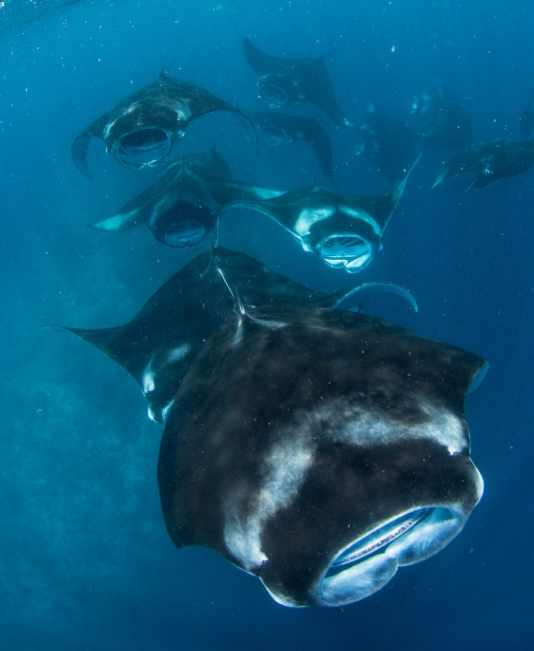
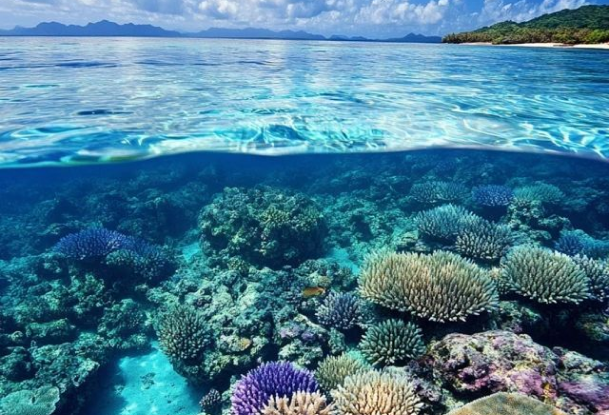
The Blue Parks initiative sets a science-based standard for marine protected area quality, incentivizes the standard with prestigious international awards, and supports conservation leaders around the world who are working to achieve the standard.
The Blue Parks initiative sets a science-based standard for marine protected area quality, incentivizes the standard with prestigious international awards, and supports conservation leaders around the world who are working to achieve the standard.
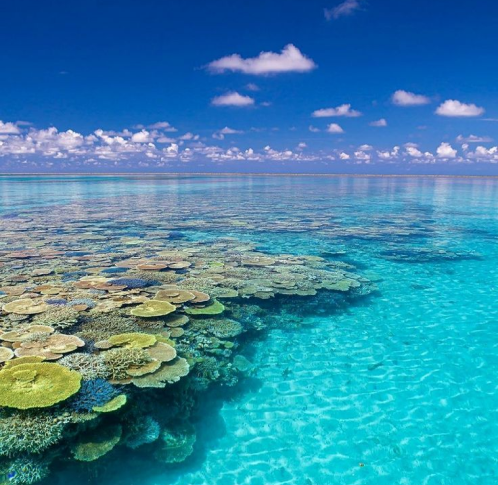
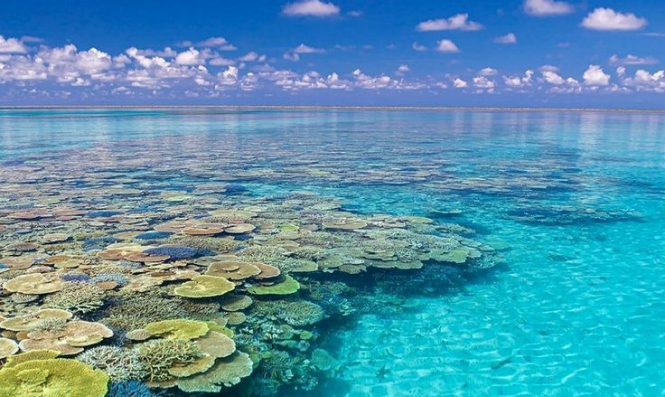
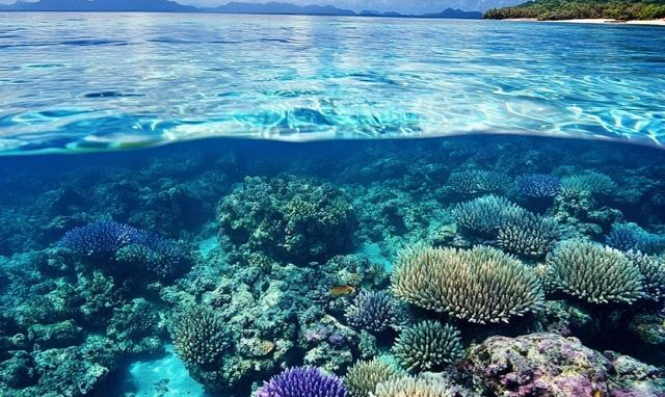
The Marine Protection Atlas (MPAtlas), a project of Marine Conservation Institute, was launched in 2012 as a way to provide a more nuanced picture of global marine protection. We emphasize a focus on quality, in addition to quantity, as the global conservation community works toward 30x30.
We aim to categorize, track, and visualize MPAs based on the conservation outcomes they are likely to achieve. Our primary goal is to identify and track fully and highly protected areas.